The story behind the name.
Tai Tsung takes its name from a defining legend in the history of Shaolin and the Chinese fighting arts.
 The Birth of Tai Tsung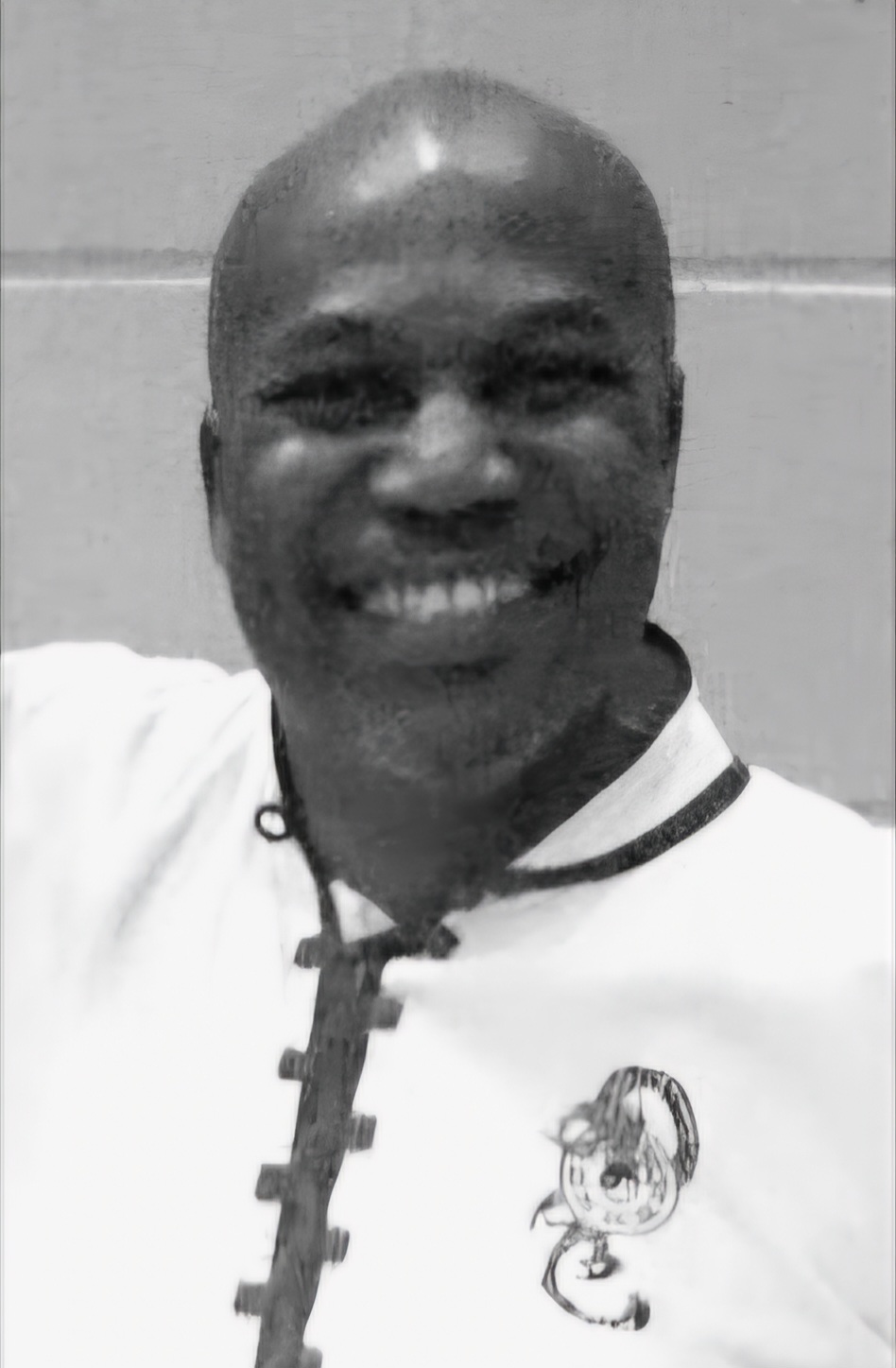
Sifu Fred McQueen
T’ai Tsung Kung Fu Association was officially launched by Sifu Fred McQueen (1956–2024) on 1 June 1997 and brought together the combined knowledge—totalling approximately 125 years—of six other black belt instructors from the Zhuan Shu Kuan organisation.
Sifu Frederick McQueen was a significant figure in the development and transmission of Tai Tsung Kung Fu in the UK. Training within a lineage that can be traced through Henry Koh, C. K. Chang and Ang Lian Huat, he became an instructor responsible for passing the system on to a new generation of martial artists.
Through Tai Tsung and Zhuan Shu Kuan, Frederick McQueen helped shape and develop numerous students and instructors, with his influence continuing through schools and practitioners who trace part of their martial arts heritage directly to him. His legacy remains evident in the continued development of Tai Tsung Kung Fu and in the instructors and students who continue to acknowledge him as an important influence on their martial arts journey.
Chinese fighting arts
Chinese fighting arts developed across many centuries, shaped by periods of military conflict and the need for effective systems of self-defence. Different traditions refined striking, kicking, grappling, weapons and physical preparation into structured methods of practice.
Shaolin temples played an important part in the development and recognition of these arts, becoming closely associated with disciplined martial training.
Around 495 ADThe Shaolin Temple
Tradition maintains that the Shaolin Temple at the foot of Song Shan mountain was built by royal decree during the reign of Emperor Hsiao-Wen.
Over the centuries that followed, its monks became renowned not only for religious practice, but for the fighting methods associated with the monastery.
Two centuries laterEmperor T'ai Tsung
Legend records that Emperor T'ai Tsung appealed to the Shaolin fighting monks for help against the usurper general Wang-Shih-Ch'ung. The monks aided the emperor and together they defeated Wang.
In recognition of their service, the emperor is said to have conferred upon Shaolin the title “Number One Monastery Under Heaven”.
History and traditionThe account of Emperor T'ai Tsung and the Shaolin monks is presented as the tradition from which the association takes its name. As with many early martial-arts histories, individual details have been transmitted through a mixture of written history, legend and later retelling.